Showing posts with label Global Learning. Show all posts

Sunday, April 20, 2025

Using Nearpod in Classrooms for Global Collaboration

In today's society, global collaboration is no longer optional, but necessary. Students are growing up in a globally connected society, and equipping them with tools to collaborate, and problem solve with others around the world is essential. One of the tools that help make this possible is virtual reality, and Nearpod stands out as an accessible way to bring immersive, international experiences into classrooms.

What is Nearpod?

Nearpod is an learning platform that allows educators to deliver engaging interactive lessons using assessments, multimedia content, and collaborative tools. Its virtual reality feature lets students take 360 degree virtual field trips to global landmarks, cultural heritage sites, and natural wonders of the world, all from the comfort of the classroom.
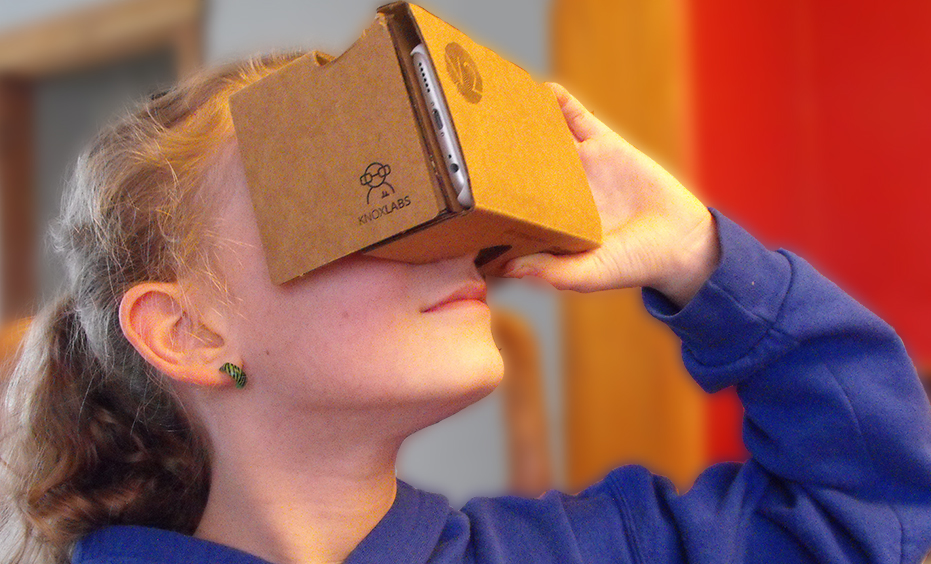
One of the benefits of Nearpod is that unlike other virtual reality tools it is not necessary to use expensive equipment. Nearpod is compatible with inexpensive viewers like Google Cardboard and can also be used on regular tablets and Chromebooks which makes it highly accessible for classrooms around the world regardless of budget constraints.

Supporting Global Collaboration

Nearpod goes beyond just sightseeing, it lays down the groundwork for meaningful cross cultural communication and project based collaboration. Students on opposite sides of the world can take a virtual tour of the same historic place together. After exploring, they can collaborate and ask questions that would be unique to their culture which can help build a greater global understanding. Students can also visit important environmental places that are in danger like the Amazon Rainforest or the melting glaciers in the arctic, then partner with peers in other countries to brainstorm climate action plans. This fosters empathy, critical thinking, and problem solving in the real world. Nearpod can also enable students to explore everyday life in other countries, visiting towns, homes, and schools in different regions. These experiences can become conversation starters in global writing programs or cultural exchanges. 

Nearpod Lesson Plans 

Educators can incorporate Nearpod into their classrooms through lesson plans such as this one. In this lesson students can explore the grand canyon and learn about it through a virtual tour and in an interactive environment. After the virtual tour students can make a poster sharing what they learned from the experience.

Nearpod can be used in many creative ways to help build a deeper understanding of global connections and can create a dialogue between different cultures through its use in the classroom.

Monday, March 24, 2025

Virtual Field Trip to the San Diego Zoo!

There is so much that our world has to offer. Thankfully with technological advancements, we are able to experience incredible things right from our own home. One of the best ways to do this is through virtual field trips. Virtual field trips provide opportunities to explore nature, historical landmarks, and different cultures through live cameras and virtual reality.

A few weeks ago, I was observing a fifth-grade classroom. Before starting the day’s lesson, the teacher turned on a projector displaying a live feed of an eagle and her newly-hatched chicks. The students and I watched in fascination as the babies struggled to find their balance, lifted their heads, and eagerly accepted food from their mother. It was an incredible experience, showing how technology allows us to witness nature up close.

Coincidentally, my online course has inspired us this week to explore the world through live cameras and virtual reality field trips. As an animal lover, I knew right away that my virtual adventure had to involve wildlife. With so many live streams available, I was excited to find an experience that would bring me closer to animals in their natural habitats. For my virtual field trip, I chose to explore the San Diego Zoo’s live cams. Their website offers both live feeds and pre-recorded videos of various animals living at the zoo. Some of the incredible species you can observe include platypuses, giraffes, tigers, burrowing owls, hippos, baboons, penguins, giant pandas, and apes.

While not all animals were visible on the cameras at the time, which the zoo notes on their website, I was still able to catch some amazing sights. I watched a koala resting in a tree, a baby elephant feeding alongside two large adults, two polar bears lounging together, and a condor sleeping peacefully in its nest. Below are a few screen shots I had taken of the animals that were seen in the live cameras!


One of the best features of the San Diego Zoo’s live cams is that each feed includes links to learn more about the animals and their stories. It was fascinating to not only observe these incredible creatures but also gain a deeper understanding of their behaviors and habitats.

Virtual field trips open up a world of possibilities, allowing us to explore beyond our everyday surroundings. Whether it's observing wildlife, touring famous landmarks, or immersing ourselves in different cultures, these experiences bring learning and wonder to life in ways we never imagined.


Monday, February 24, 2025

Global Education with 'Global Kids'

In today’s world, global education is more important than ever. It goes beyond teaching students about geography or world history, but instead it’s about fostering a deeper understanding of diverse cultures, perspectives, and global issues. By incorporating global education into the classroom, we give students knowledge and skills they need to navigate an interconnected world. This type of education not only broadens their worldview but also encourages empathy, critical thinking, and collaboration. In this blog, I’ll explore how global education benefits students and share a classroom activity that highlights the power of community both locally and globally. 

          As I explored the various amounts of incredible global education tools we have access too, there was one for primary education that really stood out to me called Global Kids. Developed by global education expert Homa Tavangar and the creators of Barefoot Books’ bestselling Mindful Kids deck, Global Kids includes over 50 hands-on activities that are divided into 5 categories to teach children about food, festivals, games, crafts and ways of helping others around the world. 

        Each card features a front side that introduces the activity, offering an overview of its cultural significance and meaning within the specific location. On the reverse side, students will find step-by-step instructions guiding them through the process, empowering them to recreate the dish, craft, or game as it is practiced in the culture they are exploring. One example of a preview offered by the website is an activity where students learn about the Festival of Lights in India. For example, Diwali, which means "festival of lights," is a time when many people in India and beyond celebrate the power of good over evil. Students are then provided with instructions on how they too can create a lantern inspired by this vibrant and meaningful celebration.

        What is inspiring about these cards is that they serve as a solid foundation for lesson plans, offering educators a starting point for exploring diverse cultures with their students. Teachers can easily build upon the activity, expanding it into a week-long exploration filled with deeper discussions, projects, and hands-on learning. This allows educators to tailor the experience to their classroom’s needs and interests, creating an immersive cultural learning experience. In my future classroom, I am eager to incorporate this global education tool, as it will not only enhance traditional lesson plans but also broaden students perspectives, encouraging creativity and critical thinking through the lens of different cultures.


Sunday, February 23, 2025

The Global Educator Toolkit

The Tools of the Trade

    As an educator it is important to have a wide variety of tools at your disposal to be used for your classroom learning environment. Some of these tools may cover a wide range of needs while others are highly specialized for certain situations. Keeping these tools handy can help both yourself as an educator as well as the students in your classroom.

What Tool is Best?

    Out of all the tools in the Global Educator's Toolbox the one I found to be the most useful is Learning for Justice. I chose this tool because it aligns with my goal for my classroom to create a welcoming environment that is inclusive to all of my students. This tool offers research strategies to address issues such as racism, bias, and social justice. Each of these issues being addressed are critical to understand in today's educational environment. With this information educators can be equipped to help students develop the skills necessary for navigating a diverse world.

Image Source

What I Found Useful in this Tool

Image Source

    One of the most beneficial aspects of Learning for Justice is its wide variety of available lesson plans that are categorized by grade level and topic. These lessons provide content that can be adapted to suit different classroom settings. Learning for Justice also offers professional development resources that help teachers become more culturally educated educators by including action guides and toolkits to help with discussions on equity and justice. The student texts and perspectives portions featured highlight diverse voices and experiences, ensuring that students engage with materials that reflect a wide range of backgrounds. The site also includes unique content such as film kits and teaching strategies that encourage critical thinking and active engagement with social justice topics. All of these aspects combine to make a highly effective tool for an educator looking to improve the quality of their learning environment.

How I Would Use Learning for Justice in My Classroom

    There are several ways that I would use this resource to improve my classroom. Since so many lesson plans are provided by Learning for Justice I would look through each one and decide which ones to incorporate into the curriculum. Doing this would help include ideas such as diversity, identity, and equity into my classroom. In addition to the lesson plans provided I would also include some of the student texts on the website to help introduce more diverse voices into my classroom. The inclusion of all of these diverse and sometimes complicated ideas can help facilitate respectful discussions of these heavy topics in a safe environment.

Monday, February 10, 2025

Global Collaboration in The Classroom

     Global collaboration in the classroom closes the divide amongst not only educators but also students. A great example we have been looking at so far this semester would be our contribution to The Goals Project  2025. There are students from not only all across America, but all over the WORLD participating in TGP. We are all coming together to find better ways to improve the education system amongst many different locations. 

    Not only have we been participating in TGP 2025, our own class is interacting in global collaboration in other ways. We all have been required to create our own social media accounts and interact with other peers in our studies. 

https://www.goalsproject.org/
Edutopia on X, discusses how students are still able to come together all across the world while still being at home. In 2008, the Organization for Economic Cooperation and Development worked with the Association for Supervision and Curriculum Development as well as the National Education Association to identify the most important skills needed to prepare students for the global economy such as critical thinking, communication, and collaboration. 

      One way students have been able to interact is through creating pen pal relationships. These students are able to interact with one another and share their languages, cultures, and interests while being in the comfort of their own homes or classrooms. 


Thursday, January 30, 2025

Meditation Practices

Anxiety can significantly affect a learner’s ability to focus and engage with their studies, particularly when faced with tight deadlines, group pressures, or the balancing act between academics and other life responsibilities. These stressors can create an environment where students feel overwhelmed, which in turn impedes their learning experience. However, one promising method to help manage anxiety is meditation. Meditation practices, such as those offered through apps like Headspace for Educators, provide students with tools to identify, regulate, and cope with stress. These applications offer a variety of techniques, including guided meditations, quick workouts, and group activities, that support learners in achieving a sense of calm and emotional wellness.

Yoga Class A multi-ethnic group of young school children are indoors in their classroom. They are sitting on pillows and doing yoga together. They are sitting with their hands in their lap. stress relief at schoo;l stock pictures, royalty-free photos & images

By promoting social-emotional wellness, meditation allows students to manage their stress levels, which can improve their ability to focus on learning. This process is beneficial for any learner, regardless of their individual struggles with anxiety. When students use these applications and reflect on their experiences, they begin to develop a greater sense of self-awareness and resilience. Teachers and educators can foster this growth by introducing these practices into their classrooms, helping students to not only learn academic content but also build emotional intelligence and coping strategies that will serve them throughout their lives.

To gauge the effectiveness of meditation on reducing anxiety, an extension opportunity could involve inviting students to reflect on their emotional state before and after a meditation session. A simple feedback system, like a rating scale with visuals, could be used to measure changes in anxiety levels. This feedback would allow students to track their progress and give educators insight into the impact of mindfulness practices in their classrooms. Through this reflection, educators can refine their approach to meditation-based interventions, ultimately enhancing students' ability to manage stress and stay focused on their learning objectives  (Inclusive Learning 365, pg 310).


Saturday, January 18, 2025

Welcome to Our Class Blog: Web Tools for Global Learners

 Dear Students,

Welcome to the start of an exciting journey in our course, Web Tools for Global Learners! This blog will serve as a collaborative space where we explore, share, and reflect on innovative tools and strategies that empower global education. Think of this platform not just as an assignment hub but as a growing repository of ideas that you and your peers can continue to reference and expand upon, even beyond this course. Educators all over the world have their students blog as reflective practice and to show off their creations to a wider audience. 

Your Role as a Contributor
As pre-service teachers, your voice has immense potential to inspire and inform. Each blog post you create will be a valuable resource—not only for your fellow classmates but for other educators seeking fresh, effective ways to integrate web tools into their teaching. By sharing our insights, reflections, and curated resources, you’re contributing to a larger conversation about global learning and digital pedagogy.

What Makes a Great Blog Post?
For every blog post, you will be assigned a specific topic. Here are some key elements to keep in mind as you craft your entries:

Informative and Engaging: Write in a way that educates and motivates your audience. Share your unique perspective while maintaining a professional tone.

Link to Resources: Include at least two links to reputable, high-quality resources. These could be articles, lesson plans, tools, or research studies related to your topic. Always ensure your links are relevant and add value. You can see I have added some links below.

Image of using copyright-free images
Use Copyright-Free Images: Visuals enhance your posts and make them more engaging. Use only copyright-free images, and be sure to provide proper attribution when necessary. Websites like UnsplashPixabayCanva, and Wikimedia Commons are great starting points. I created this image in Canva. 

Reflective Thinking: Go beyond surface-level descriptions. Reflect on how the tools or strategies you’re discussing can make an impact in a global learning context.

Why This Matters
As educators in the 21st century, it’s crucial to think critically about the tools we use and how they align with educational goals. Your blog posts are an opportunity to model the ISTE Standards for Educators and demonstrate the skills needed to inspire students and foster a culture of global collaboration. As I was learning, I leaned heavily on other educators in my PLN to learn about the latest classroom tools and best approaches for use. Blogging and reading other teacher's blogs helped me to hone my practice as an educator. 

Let’s Get Started
I encourage you to approach each assignment with curiosity and creativity. Your contributions will help us build a vibrant and resourceful community of learners. Feel free to comment on each other’s posts, ask questions, and share feedback. Together, we’ll make this blog a dynamic and valuable learning space for all.

Here’s to a great semester of learning, sharing, and growing as global educators! Let’s make it count.

Michelle Wendt, Instructor, Web Tools for Global Learners